Room Heater Size Calculator: What Size Room Heater Do I Need?
Calculate the right room heater size (BTU and watts) by entering your room details and heating requirements below.
List of the Best Room Heater:

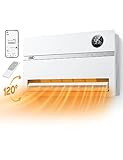

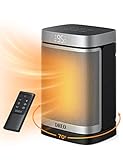

Why Proper Room Heater Sizing Matters
Choosing the correct size room heater is essential for staying warm and comfortable during cold months without wasting energy or money. Room heaters—also called space heaters—are rated in BTUs per hour (BTU/h) or, for electric models, in watts. An undersized heater will run continuously without ever reaching your desired temperature, consuming maximum energy while leaving you cold. An oversized heater will heat the room too quickly, cycle on and off frequently, and can cause uncomfortable temperature swings, wasted energy, and in some cases, safety hazards from overheating nearby objects.
Unlike central heating systems, room heaters are designed to heat a single, enclosed space. Their effectiveness depends heavily on the room's size, insulation, window quality, and how well the space is sealed. A drafty room with single-pane windows will lose heat rapidly, requiring a much larger heater than a well-insulated room of the same size. This is why a simple square-footage rule of thumb can be dangerously inaccurate: a 200-square-foot room with poor insulation and old windows may need twice the heating capacity of a 200-square-foot room that is well-sealed and insulated.
Proper sizing also affects safety. Electric space heaters that draw more current than a circuit can handle can trip breakers or overheat wiring. Gas and propane heaters that are oversized for a space can produce excessive combustion byproducts and moisture if they don't run efficiently. By sizing your heater correctly, you ensure safe, efficient, and comfortable operation throughout the heating season.
Understanding Room Heater Capacity Measurements
Room heaters are rated in BTUs per hour (BTU/h) or watts. For electric heaters, the wattage is the primary rating: a 1,500-watt heater produces about 5,100 BTU/h of heat. Electric resistance heating is essentially 100% efficient at the point of use, so all the electricity consumed becomes heat in the room. Common electric space heater sizes are 750W (2,560 BTU/h), 1,000W (3,410 BTU/h), 1,500W (5,120 BTU/h), and 2,000W (6,820 BTU/h) for standard 120-volt models. Larger 240-volt electric heaters can produce 10,000 BTU/h or more.
Gas and propane room heaters are rated by input BTU, with output typically 80–99% of input depending on the model. Vent-free gas heaters are nearly 100% efficient because all combustion heat (and moisture) enters the room, but they require adequate ventilation and are not suitable for all spaces. Vented gas heaters exhaust combustion gases outdoors and have lower efficiency but better indoor air quality. Infrared heaters, whether electric or gas, are rated similarly but distribute heat differently—they warm objects and people directly rather than heating the air.
The relationship between watts and BTUs is: 1 watt = 3.412 BTU/h. So if you determine you need 6,000 BTU/h, that equals about 1,760 watts. Most standard household circuits are 15 amps at 120 volts, which supports a maximum of 1,800 watts—and you should only load a circuit to 80% of capacity, so about 1,440 watts continuous. This means a single 1,500-watt heater is often the largest you can safely plug into a standard circuit without risking an overload. Larger heaters require a dedicated 20-amp circuit or 240-volt service.
How to Measure Your Space for a Room Heater
Start by measuring the length, width, and ceiling height of the room in feet. Multiply length by width to get square footage, then multiply by ceiling height to get cubic footage. Volume is important because rooms with high or vaulted ceilings have more air to heat. A room with a 12-foot ceiling has 50% more air volume than the same footprint with an 8-foot ceiling, requiring proportionally more BTUs.
Next, assess the insulation and window quality. Poor insulation and single-pane windows dramatically increase heat loss. If you can feel drafts near windows and doors, or if the walls are cold to the touch, your room has a high heating load. The number of exterior walls also matters: a room with three exterior walls loses more heat than an interior room with only one. If the room is above an unheated garage or basement, or below an uninsulated attic, heat loss through the floor or ceiling increases.
Determine your climate's design temperature—the typical low temperature during the coldest part of winter. This is the outdoor temperature your heater must overcome. Then decide on your target indoor temperature. Most people find 68–72°F comfortable for living spaces. The difference between the design temperature and the target temperature is the temperature rise your heater must achieve. The larger the temperature rise, the more BTUs you need. Also account for occupants: each person adds about 400 BTU/h of body heat, which slightly reduces the heater's required output.
Room Heater Size Guidelines
| Room Size (Sq. Ft.) | Recommended BTU (Average Conditions) | Typical Electric Wattage |
|---|---|---|
| Up to 100 sq. ft. | 3,000 – 5,000 BTU | 1,000 – 1,500 W |
| 100 – 150 sq. ft. | 5,000 – 6,500 BTU | 1,500 W (standard max) |
| 150 – 250 sq. ft. | 6,500 – 9,000 BTU | 1,500 W + supplemental |
| 250 – 350 sq. ft. | 9,000 – 12,000 BTU | 240V electric or gas |
| 350 – 500 sq. ft. | 12,000 – 16,000 BTU | Gas or 240V electric |
| 500 – 700 sq. ft. | 16,000 – 22,000 BTU | Gas or multiple units |
| Over 700 sq. ft. | 22,000+ BTU or multiple units | Gas heater or central system |
Special Considerations for Different Room Types
Bedrooms
For bedrooms, safety and quiet operation are paramount. Choose a heater with automatic shut-off, tip-over protection, and cool-touch housing. Oil-filled radiators and ceramic fan heaters are popular for bedrooms because they are quiet and provide steady, even heat. Since bedroom doors are typically closed, the heater only needs to warm that single room, making sizing relatively straightforward. A 1,500-watt electric heater is usually sufficient for a standard bedroom up to 150 square feet in a moderate climate. Avoid heaters with exposed hot elements or open flames in bedrooms, and never leave a space heater running unattended while you sleep unless it is specifically designed and rated for that purpose.
Living Rooms
Living rooms are often larger and have more windows, higher ceilings, and greater foot traffic, all of which increase the heating load. Open floor plans connected to kitchens or dining areas can be particularly challenging because heat disperses into adjacent spaces. For living rooms, consider a larger electric heater (if a 240V outlet is available) or a vented gas heater. If the room has a fireplace, a fireplace insert or a heater with a blower can distribute heat more effectively. Place the heater centrally and use ceiling fans on low speed (in reverse in winter) to circulate warm air.
Home Offices
Home offices are often smaller rooms with closed doors, making them easy to heat with a modest space heater. A 1,000–1,500 watt electric heater is usually sufficient for an office up to 150 square feet. If the office has large windows or poor insulation, size up accordingly. Since you may spend hours at a desk, consider an infrared heater that warms you directly rather than heating the entire room, which can be more energy-efficient for spot heating. Ensure the heater doesn't interfere with computer equipment or create a fire hazard near paper and electronics.
Bathrooms
Bathrooms present unique challenges: they are often small but poorly insulated, and moisture from showers can affect heater performance and safety. Never use a standard electric space heater in a bathroom where it could come into contact with water. Instead, choose a bathroom-specific heater, such as a wall-mounted fan heater or a ceiling-mounted infrared heater, that is rated for damp locations. These are typically 1,000–1,500 watts and are sufficient for a standard bathroom up to 100 square feet. GFCI protection on the outlet is essential for any portable electric heater used near water.
Basements
Basements are typically cooler than upper floors because they are in contact with the ground and often poorly insulated. They may require more heating capacity than above-ground rooms of the same size. However, basements also tend to have lower ceilings and fewer windows, which can offset some of the heat loss. A finished basement used as a living space may need 10,000–15,000 BTU or more for a 300–400 square foot area, depending on insulation. If the basement is damp, a heater alone may not be enough—consider a dehumidifier as well, since damp air feels colder and is harder to heat.
Sunrooms and Enclosed Porches
Sunrooms and enclosed porches are notoriously difficult to heat because they often have large expanses of glass, minimal insulation, and are not connected to the home's central heating system. They can lose heat rapidly at night. A sunroom that is comfortable on a sunny afternoon may become very cold after sunset. For these spaces, consider a dedicated infrared heater or a high-output electric heater, and size generously. If the sunroom is not well-sealed, a heater may struggle to maintain temperature on the coldest nights. In some cases, a ductless mini-split heat pump is a better long-term solution for year-round comfort.
Benefits of Properly Sized Room Heater
Comfort & Convenience
- Maintains a steady, comfortable temperature
- Eliminates cold spots and drafts
- Allows you to heat only the rooms you use
- Provides instant warmth without waiting for central heat
Energy Efficiency
- Avoids wasted energy from oversized units short-cycling
- Prevents undersized units from running nonstop
- Zone heating can reduce overall energy bills
- Right-sized heaters achieve their rated efficiency
Safety & Longevity
- Reduces risk of overloaded circuits and overheating
- Prevents fire hazards from oversized heaters
- Extends heater life by avoiding constant cycling
- Proper sizing ensures safe combustion for gas models
Additional Factors to Consider When Choosing a Room Heater
Electric vs. Gas vs. Infrared
Electric space heaters are the most common and easiest to use. They require no venting, are portable, and are safe for most indoor spaces. Their main drawback is that electricity is often the most expensive heating fuel per BTU. Gas and propane heaters cost less per BTU and can produce much higher heat output, making them suitable for larger rooms. However, they require venting (for vented models) or adequate ventilation (for vent-free models) and produce moisture and combustion byproducts. Infrared heaters are highly efficient for spot heating, warming people and objects directly without heating all the air in the room. They provide immediate comfort and are excellent for garages, workshops, and large drafty spaces, but they may not maintain a uniform air temperature.
Safety Features
Safety should be a top priority when choosing a room heater. Look for models with automatic shut-off when tipped over, overheat protection that cuts power if the unit gets too hot, and cool-touch exteriors. For electric heaters, a tip-over switch and a thermal cut-off are essential. For gas heaters, an oxygen depletion sensor (ODS) is critical for vent-free models—it shuts off the heater if oxygen levels drop. Always maintain the manufacturer's recommended clearance from furniture, curtains, and other combustibles. Never use an extension cord with a space heater, as it can overheat and cause a fire. Plug the heater directly into a wall outlet, and avoid using it in rooms where flammable vapors (paint, gasoline, solvents) may be present.
Thermostat and Controls
A thermostat is essential for efficient and comfortable operation. Without one, the heater will either run constantly or require manual adjustment. Look for a heater with an adjustable thermostat, ideally with a digital display and precise temperature settings. Programmable timers let you warm the room before you wake up or arrive home. Some smart heaters offer Wi-Fi connectivity and app control, allowing you to manage heating remotely and integrate with home automation systems. Remote controls are convenient for adjusting settings from across the room. A simple low/medium/high switch is less convenient and less energy-efficient than a thermostat-controlled model.
Noise Level
Noise is a major consideration, especially for bedrooms and offices. Fan-forced electric heaters produce noise from the fan and airflow, typically 40–55 decibels. Oil-filled radiators and infrared heaters are silent because they have no fans. Ceramic heaters are moderately quiet, while some high-output models can be loud. If you plan to use the heater while sleeping or working, choose a quiet model—oil-filled radiators or infrared panels are excellent for silent operation. Check the decibel rating if noise is a concern.
Portability and Mounting
Portable room heaters can be moved from room to room as needed, which is convenient but also means they take up floor space and can be tripping hazards. Wall-mounted and ceiling-mounted heaters save floor space and are safer in homes with children or pets. Baseboard heaters are permanently installed and provide even, silent heat, but they are not portable. Panel heaters can be wall-mounted and are very slim. Consider your space and needs: portable for flexibility, mounted for safety and permanent installation.
Electrical Requirements
Most standard 120-volt household circuits can handle up to 1,500 watts safely (on a 15-amp circuit, 80% of 1,800 watts). If you need more than 1,500 watts, you'll need a 20-amp circuit (which supports 1,920 watts continuous) or a 240-volt circuit. High-output electric heaters (10,000+ BTU/h) typically require 240 volts and a dedicated circuit, which may require an electrician to install. Always check the heater's amperage and voltage requirements and verify your circuit can handle the load. Never plug a high-wattage heater into a power strip or extension cord.
Installation Considerations
Proper placement is critical for room heater efficiency and safety. Place the heater on a level, non-flammable surface, away from curtains, bedding, furniture, and other combustibles. Maintain at least three feet of clearance on all sides. Position the heater so it directs warm air into the room, not against a wall. For fan-forced heaters, place them near the center of the room or aimed toward the coldest area. For infrared heaters, position them so they have a clear line of sight to where you'll be sitting. Do not place heaters in doorways or high-traffic areas where they can be knocked over. If using a gas heater, ensure proper ventilation and follow the manufacturer's installation instructions carefully. For wall-mounted or baseboard heaters, follow local electrical codes and consider professional installation.
Maintenance Tips for Optimal Performance
Regular maintenance keeps your room heater running safely and efficiently. For electric heaters, vacuum the intake and exhaust vents, fan blades, and heating elements regularly to remove dust, which can cause overheating and reduce airflow. Check the power cord for damage before each use. For gas heaters, have a professional inspect the burner, pilot light, and venting annually. Replace batteries in thermostats and remote controls at the start of each heating season. Clean the exterior with a damp cloth when the unit is cool and unplugged. Store portable heaters in a dry place during the off-season, covered to prevent dust accumulation. If you notice any unusual smells, sounds, or performance issues, turn off the heater immediately and have it inspected by a qualified technician.
Frequently Asked Questions About Room Heater Sizing
How many watts do I need to heat a room?
As a rough guide, you need about 10 watts per square foot of floor area in a moderately insulated room with an 8-foot ceiling in a moderate climate. So a 150-square-foot room needs about 1,500 watts. However, this can vary significantly with insulation, windows, and climate. Use our calculator for a more accurate estimate based on your specific conditions.
Can I use a 1,500-watt heater in any room?
A 1,500-watt heater draws 12.5 amps at 120 volts, which is close to the maximum for a standard 15-amp circuit (80% of 15 amps = 12 amps continuous). It should be the only high-wattage appliance on that circuit. If other appliances are drawing power on the same circuit, you may trip the breaker. Check your circuit capacity and avoid using extension cords.
Are infrared heaters better than electric space heaters?
It depends on your needs. Infrared heaters warm objects and people directly, providing instant comfort without heating the entire room. They are excellent for spot heating in large or drafty spaces. Electric space heaters (fan-forced, ceramic, oil-filled) heat the air, which provides more uniform warmth but takes longer. For heating a whole room, a conventional electric heater is usually better. For warming yourself while sitting in a cold room, infrared can be more efficient.
What size room heater do I need for a bedroom?
For a typical bedroom up to 150 square feet in a moderate climate with average insulation, a 1,000–1,500 watt electric heater is usually sufficient. If the bedroom is poorly insulated or has large single-pane windows, you may need a larger heater or better insulation. For safety and quiet operation, choose an oil-filled radiator or a ceramic heater with a thermostat.
How does ceiling height affect room heater sizing?
Ceiling height directly affects the volume of air that must be heated. A room with a 10-foot ceiling has 25% more air volume than the same room with an 8-foot ceiling, requiring roughly 25% more BTUs. Our calculator accounts for ceiling height in its volume calculation, so rooms with high ceilings get appropriately larger recommendations.
Do I need a different heater for a bathroom?
Yes, bathrooms require special consideration because of moisture and water proximity. Never use a standard portable space heater in a bathroom where it could get wet. Choose a bathroom-specific wall-mounted or ceiling-mounted heater rated for damp locations, and ensure the outlet is GFCI-protected. A 1,000–1,500 watt bathroom heater is usually sufficient.
How much does insulation affect the size of heater I need?
Insulation has a major impact. A poorly insulated room can lose heat two to three times faster than a well-insulated room of the same size. Improving insulation and sealing drafts can reduce your heating requirements by 30–50%, allowing you to use a smaller, more efficient heater. Our calculator includes insulation as a factor in its recommendations.