Garage Heater Size Calculator: What Size Garage Heater Do I Need?
Calculate the right garage heater size (BTU) by entering your garage details and heating requirements below.
List of the Best Garage Heater:


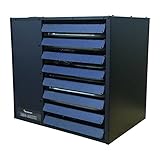

Why Proper Garage Heater Sizing Matters
Choosing the correct size garage heater is essential for maintaining a comfortable, usable space during cold months, whether you use your garage as a workshop, a storage area, or simply want to keep your vehicles and equipment from freezing. Garage heaters are rated in BTUs per hour (BTU/h), and unlike home heating systems that share a central furnace, a garage heater must overcome a unique set of challenges: poor insulation, large uninsulated doors, frequent door openings, and a concrete slab that stays cold. An undersized heater will run constantly, never reaching the desired temperature, and will consume excessive energy while still leaving you cold. An oversized heater will heat the space too quickly, cycle on and off frequently, and waste energy—and in the case of fuel-burning heaters, can create safety concerns if not properly sized for ventilation.
Garages are notoriously difficult to heat because they are typically built with minimal insulation, if any. The walls may be bare studs, the ceiling may be open to an unconditioned attic, and the garage door is often a large, thin panel of metal or wood that conducts heat away rapidly. A cold concrete floor acts as a heat sink, absorbing warmth from the air. These factors mean that a garage requires significantly more BTUs per square foot than a well-insulated living space. A rule of thumb that works for a living room will drastically undersize a garage heater.
Proper sizing also depends on how you use the garage. If you only need to keep the space above freezing to protect pipes and stored items, you can get by with a much smaller heater than if you want a comfortable workshop where you can spend hours in a T-shirt. The desired temperature rise—the difference between the outdoor design temperature and your target indoor temperature—is the single biggest factor in determining the required BTU output. Our calculator accounts for all of these variables to give you a reliable recommendation.
Understanding Garage Heater Capacity Measurements
Garage heaters are rated in BTUs per hour, just like other heating appliances. This rating tells you how much heat the unit can produce in one hour. Electric garage heaters are commonly available in sizes ranging from 2,000 watts (about 6,800 BTU/h) up to 10,000 watts (about 34,000 BTU/h) and beyond for commercial units. Gas and propane garage heaters are typically rated from 30,000 BTU/h up to 125,000 BTU/h or more. Infrared heaters are rated similarly but distribute heat differently, warming objects and people directly rather than heating the air.
One watt of electric heat equals approximately 3.41 BTU/h, so a 5,000-watt electric heater produces about 17,000 BTU/h. For gas heaters, the BTU rating is the input rating, and the output is usually 80–92% of that depending on efficiency. When comparing heaters, always look at the output BTU, not just the input. For electric heaters, the wattage directly translates to heat output with essentially 100% efficiency at the point of use.
It's also important to understand that garages have a much higher heat loss rate than living spaces. The standard BTU-per-square-foot guidelines used for homes (typically 20–30 BTU/sq ft) do not apply to garages. Garages can require anywhere from 30 to 60 BTU per square foot or more, depending on insulation, door type, and climate. In very cold climates with uninsulated garages, the requirement can exceed 60 BTU/sq ft. Our calculator uses a volume-based approach with adjustment factors to provide a more accurate estimate.
How to Measure Your Garage for a Heater
Start by measuring the length, width, and ceiling height of your garage in feet. Multiply length by width to get square footage, then multiply by ceiling height to get cubic footage. Volume is a better basis for garage heating calculations than square footage alone because garages often have higher ceilings, and the entire volume of air must be heated. A garage with a 12-foot ceiling has 50% more air to heat than one with an 8-foot ceiling of the same footprint.
Next, assess the insulation. An uninsulated garage with bare walls and an open ceiling loses heat rapidly. Even a modest amount of insulation in the walls and ceiling can cut heat loss by 30–50%. The garage door is often the largest single source of heat loss. An uninsulated metal door has an R-value of about 1–2, while an insulated door can have an R-value of 6–12 or more. If your garage door is uninsulated, upgrading to an insulated door or adding a door insulation kit is one of the most cost-effective improvements you can make before sizing a heater.
Determine your climate's design temperature—the typical low temperature during the coldest part of winter. This is the outdoor temperature your heater must be able to overcome. Then decide on your target indoor temperature. If you only want freeze protection, 50°F is sufficient. For a comfortable workshop, 60–65°F is typical. For a space used as a living area, 70°F may be desired. The difference between the design temperature and the target temperature is the temperature rise your heater must achieve.
Garage Heater Size Guidelines
| Garage Size (Sq. Ft.) | Recommended BTU (Moderate Climate, Average Insulation) | Typical Heater Type |
|---|---|---|
| Up to 200 sq. ft. (1-car) | 5,000 – 10,000 BTU | Small electric or infrared |
| 200 – 400 sq. ft. (1.5-car) | 10,000 – 18,000 BTU | Medium electric or small gas |
| 400 – 600 sq. ft. (2-car) | 18,000 – 30,000 BTU | Large electric or medium gas |
| 600 – 800 sq. ft. (2.5-car) | 30,000 – 45,000 BTU | Gas or propane unit heater |
| 800 – 1,000 sq. ft. (3-car) | 45,000 – 60,000 BTU | Gas unit heater or multiple electric |
| 1,000 – 1,500 sq. ft. | 60,000 – 90,000 BTU | High-output gas unit heater |
| Over 1,500 sq. ft. | 90,000+ BTU or multiple units | Multiple gas heaters or commercial system |
Special Considerations for Different Garage Uses
Storage Garages
If your garage is used primarily for storage—keeping boxes, seasonal equipment, and perhaps a vehicle—you may only need freeze protection. In this case, a target temperature of 45–50°F is sufficient to prevent pipes from freezing and protect stored items from extreme cold. A smaller heater can handle this load, and you can set the thermostat low to save energy. Even for storage, however, an uninsulated garage in a cold climate will still require a surprising amount of BTUs to maintain 50°F on a 0°F night. Insulating the garage door and sealing gaps is highly recommended before investing in a heater.
Workshop and Hobby Garages
Woodworkers, mechanics, and hobbyists typically want a comfortable working temperature of 60–65°F so they can work without heavy coats and with dexterity in their hands. This requires a larger heater, especially if the garage is uninsulated. For a workshop, consider a heater with a thermostat and programmable settings so you can warm the space before you start working. Infrared heaters are popular in workshops because they heat people and objects directly, providing immediate comfort without waiting for the entire air volume to warm up. However, infrared heaters work best when you are stationary and in direct line of sight of the heater.
Parking Garages
If you use your garage primarily for parking vehicles, you may want to keep it at 50–55°F to make the space more comfortable when getting in and out of the car, to prevent car windows from fogging or freezing, and to keep the car's fluids warmer for easier starting. Note that if you park a snow-covered car in the garage, melting snow will add significant moisture to the air, which can lead to rust and mold. Adequate ventilation or a dehumidifier may be needed in addition to heat. Also, if the garage door opens frequently, heat loss increases, so sizing should account for this with a slightly larger heater or a higher-capacity unit.
Commercial and Business Garages
Commercial garages—auto repair shops, service bays, warehouses—often have very high ceilings, large overhead doors, and heavy equipment. They may also have specific code requirements for heating equipment, ventilation, and combustion air. In these spaces, gas-fired unit heaters are the norm, and sizing must account for the high volume, frequent door openings, and the presence of flammable materials. Infrared tube heaters are also common in commercial garages because they heat objects and floors rather than air, which is more efficient in spaces with high ceilings and frequent air changes. Always consult a commercial HVAC professional for these applications.
Detached vs. Attached Garages
Attached garages share at least one wall with the house, which provides some heat gain from the adjacent living space and reduces heat loss through that wall. Detached garages are fully exposed to the elements on all sides, increasing heat loss. A detached garage in a cold climate will need a larger heater than an attached garage of the same size and insulation level. Our calculator assumes a typical detached garage but can be adjusted by selecting the appropriate insulation and door type.
Benefits of Properly Sized Garage Heater
Comfort & Usability
- Makes the garage comfortable for work and hobbies
- Provides consistent warmth without cold spots
- Extends the usable season for the garage
- Prevents tools and equipment from becoming painfully cold
Energy Efficiency
- Avoids the high cost of constant operation from undersizing
- Prevents energy waste from oversized units short-cycling
- Right-sized units maintain efficiency and lower bills
- Thermostat control prevents heating when not needed
Protection & Longevity
- Prevents pipes from freezing and bursting
- Protects vehicles, equipment, and stored items
- Reduces moisture and rust from condensation
- Extends the life of the heater with proper sizing
Additional Factors to Consider When Choosing a Garage Heater
Electric vs. Gas vs. Infrared
Electric garage heaters are convenient, require no venting, and are 100% efficient at the point of use. However, they require a large electrical circuit—often 240 volts and 30–50 amps—which may require an electrical panel upgrade. Gas and propane heaters produce more heat per dollar of fuel and are available in much larger capacities, making them suitable for big garages. They require venting (either through a wall or roof) and a fuel supply. Infrared heaters are electric or gas and heat objects directly, providing fast, targeted warmth. They are excellent for spot heating but less effective for maintaining a uniform air temperature. Consider your budget, available utilities, and installation requirements when choosing.
Venting and Combustion Air
Gas and propane garage heaters produce combustion byproducts, including carbon monoxide, that must be vented safely to the outdoors. Vented models use a flue or chimney to exhaust gases, while unvented models release combustion products into the garage—these are generally not recommended for garages because of the risk of carbon monoxide buildup, especially in tightly sealed spaces. Always choose a vented gas heater for a garage, and ensure adequate combustion air is available. Electric heaters produce no combustion gases and are the safest option for tightly sealed or poorly ventilated garages.
Thermostat and Controls
A thermostat is essential for efficient garage heating. Without one, you'll either leave the heater running constantly (wasting energy) or have to turn it on and off manually. Look for a heater with a built-in thermostat or the ability to connect an external thermostat. Programmable thermostats let you warm the garage only when you plan to use it—for example, an hour before you start working. Smart thermostats allow remote control via your phone, so you can turn on the heat while you're still in the house. A simple on/off switch is insufficient for efficient operation.
Safety Features
Garage heaters operate around flammable materials, including gasoline, solvents, and sawdust. Look for heaters with safety features such as overheat protection, tip-over shutoff (for portable units), and a sealed combustion chamber (for gas heaters). If you store gasoline or other flammables, choose an electric heater or a gas unit with sealed combustion and proper venting. Never use an open-flame heater in a garage where flammable vapors may be present. Also, keep the heater clear of obstructions and maintain the manufacturer's recommended clearances from walls and ceilings.
Mounting and Placement
Garage heaters come in several mounting styles: portable floor units, wall-mounted units, and ceiling-mounted unit heaters. Ceiling-mounted unit heaters are popular in larger garages because they save floor space and distribute heat evenly. Wall-mounted units are a good compromise for small to medium garages. Portable heaters offer flexibility but take up floor space and can be tripping hazards. Whichever style you choose, ensure the heater is mounted or placed according to the manufacturer's instructions, with adequate clearance for airflow and safety.
Installation Considerations
Proper installation is critical for garage heater performance and safety. For electric heaters, ensure the circuit can handle the amperage—most 240-volt garage heaters require a dedicated circuit, and some require a 50-amp breaker. If your panel is full or the service is undersized, you may need an electrician to upgrade it. For gas heaters, a licensed professional should install the gas line and venting. Ensure the vent terminates away from windows, doors, and air intakes, and that it meets local code requirements. Mount the heater at the recommended height—typically 8–10 feet for ceiling-mounted unit heaters in a garage with a standard ceiling—and maintain clearances from combustible materials. Always follow local building codes, which may require permits and inspections for garage heater installations.
Maintenance Tips for Optimal Performance
Regular maintenance keeps your garage heater running safely and efficiently. For electric heaters, vacuum the heating elements and fan blades to remove dust and debris, which can cause overheating and reduce airflow. Check the power cord and plug for signs of wear or overheating. For gas heaters, have a professional inspect the burner, heat exchanger, and venting annually. Clean or replace air filters if the unit has them. Keep the area around the heater clear of flammable materials, and never store gasoline, paint thinner, or other volatile chemicals near the heater. Before each heating season, test the thermostat and safety controls. If you notice any unusual smells, sounds, or performance issues, turn off the heater and call a qualified technician.
Frequently Asked Questions About Garage Heater Sizing
Can I use a space heater to heat my garage?
Small portable space heaters are generally not powerful enough to heat a whole garage, especially in cold climates. They can provide spot warmth for a workbench area but will not maintain a comfortable temperature throughout the space. For whole-garage heating, you need a dedicated garage heater sized in BTUs for the space and conditions.
How many BTUs do I need to heat a 2-car garage?
A typical 2-car garage (about 400–600 square feet) in a moderate climate with average insulation and an uninsulated door may need 18,000–30,000 BTU/h to maintain 60°F on a 20°F day. In a colder climate or with poor insulation, the requirement could be 40,000 BTU/h or more. Use our calculator for a more precise estimate based on your specific conditions.
Will heating my garage increase my energy bills significantly?
It depends on the heater type, insulation, and how warm you keep the space. Electric resistance heaters are the most expensive to operate per BTU. Gas and propane heaters cost less per BTU but require fuel and venting. Improving insulation and air sealing will reduce operating costs regardless of heater type. Setting the thermostat lower—for example, 50°F instead of 65°F—can cut energy use substantially.
What temperature should I set my garage heater to?
For freeze protection, 45–50°F is sufficient. For a comfortable workshop, 60–65°F is typical. For a living space or where you spend a lot of time, 70°F may be desired. Each 5°F increase in target temperature increases energy consumption by roughly 10–15%, so choose the lowest temperature that meets your needs.
Do I need a vented or unvented garage heater?
Vented heaters exhaust combustion gases outdoors and are strongly recommended for garages, especially if the space is tightly sealed or attached to the house. Unvented gas heaters release carbon monoxide and moisture into the garage, which can be dangerous and can cause rust and mold. Electric heaters are inherently vent-free and safe for any garage.
How does garage door insulation affect heater sizing?
An uninsulated garage door is one of the largest sources of heat loss in a garage. Insulating the door—either with a kit or by replacing it with an insulated door—can reduce heat loss by 30–50% and significantly lower the required heater size. Our calculator includes door type as a factor, so you can see the difference.
Can I heat my garage with a mini-split heat pump?
Yes, ductless mini-split heat pumps are an excellent option for garages, providing both heating and cooling with high efficiency. They are more expensive upfront than a simple electric or gas heater but can be very cost-effective to operate, especially in moderate climates. Cold-climate mini-splits can handle very low temperatures. Sizing follows the same principles as any heat pump: calculate the heating load based on the garage's insulation, volume, and climate.